Wednesday, May 19, 2010

The Owl in African Tradition

Last night our little dog got out and ran around on the top plot of the centre, much to the frustration of the workers trying to sleep up there. We have been having a lot of problems with our water recently and had dug a ditch for the new water line. The little dog was small enough to squeeze through a hole made for the pipe and was thereby able to gain access to new territories to explore.

Apparently there was a lot of noise and only part of it was the barking of the dog. One worker told us that an owl took an interest in the dog and tried to catch it. Now I know the little thing is small – that’s why we named him “Fupi” (meaning “small” in Kiswahili), but I find it hard to believe that an owl could have managed to carry him away.

Owls have a special place in many African societies. They are considered to be a tool used by the witchdoctor, a harbinger of doom. When you hear their call, it is believed that someone is going to die. Apparently one was repeatedly spotted flying around the centre days before our head teacher died a couple of years ago.


African Witchdoctor

I was surprised that we still had an owl flying about the centre. I’d seen a barn owl a number of times in years past but just assumed it had moved on as more houses sprung up in the neighbourhood. So maybe one of these days I have to build a home for the owl. I’d considered doing so long ago but then thought the owl had moved on.

When I mentioned my intentions to one of the workers, he recoiled in horror. I thought it would be a great solution to our rat problem. But he reminded me that the owl is considered a bad omen, one associated with witchdoctors. The idea that I would do anything to attract such a bird to the centre was clearly something he was very uncomfortable with.

That explains the worried looks we used to receive when we put a plastic owl up a number of years ago to try and scare all the pigeons away. I guess that, together with the giraffe bones and skulls I’d collected and had strewn around the garden didn’t do our reputation very much good in the community. They must have wondered why we were collecting witchdoctor paraphernalia.

There is a place in the hills above Naivasha where many owls are known to have their nests. People sometimes go there to collect the eggs which are then taken to Nairobi and sold to Arabs for a lot of money. The money is attractive, but nobody understands what someone would want to do with owl eggs. I suggested the Arabs may want to rear these birds of pray and train them. The sport is called Falconry, something which is virtually unheard of here in Kenya, though I was surprised to read that there was a falconry centre at the coast, in Malindi. But here in Naivasha people don’t understand such a concept: why would someone willingly want to keep an omen of death around them?


Piercing Eyes

When you look at the piercing eyes of the owl as it looks down its beak, you can almost imagine how these stories started. But why would the West have such a different perception of the owl? True, it is often a bird associated with wizardry even there. The wizard Merlin in Disney’s movie “The Sword in the Stone” had one as his companion as did Harry Potter and his wizard friends in the popular children’s story books. But they are also considered good. When someone says you are as wise as an owl, that is a compliment, not a death treat. It would be interesting to know why there is such a difference in perception.

Thursday, March 4, 2010

Burned Alive

One of our students – let’s call him John – was coming to the centre the other day when he suddenly heard women screaming. Rushing to the place he saw some women clustered outside a locked gate, trying to break into the property. On the other side of the wall a woman was screaming. She was crying that she had been unable to live up to God’s expectations. There was nothing else she could do. She had tried everything but now life was no longer worth living.


Who Can Repair a Broken Heart?
The sign on the back of a matatu (taxi)

And with that she’d decided that she deserved to burn to death. She first drank some paraffin and then set herself alight.

When John finally made it over the fence he found a woman covered in flames. He looked around for something to put out the fire. But all he found was charcoal powder about him. So taking big handfuls, he threw it over her and finally managed to put out the flames. By this time she was screaming and blood was pouring from her mouth.

After wrenching the gate open, the women who had been frantically screaming outside came running in. They took the poor soul and put her into a car and rushed her to the hospital.

Unfortunately the woman did not survive her injuries.

A few days later I met the pastor who buried her. It was a large funeral so she must have been well known. She had told her pastor earlier how she had tried her best to overcome certain family problems but just could not get over them. What a tragedy that the only recourse she had felt open to her was to end her own life. And in such a horrific way!

Despite the outcome, we were very proud of John, that he had been brave and willing enough to try and save her.

John had demonstrated his courage on a previous occasion as well. As he was returning home one day through Naivasha, he saw a large crowd of people so went over to investigate.


Downtown Naivasha
A Jacaranda tree in full bloom

The crowd was gathered around an old well and were peering into its depths. Apparently a young child had fallen in. The hole was so deep everybody was standing around trying to figure out how they could get the young one back out. Members of the Red Cross were there along with people from the Municipal Council. Someone had brought a rope and a few long ladders. They had tried to tie them together but that had been unsuccessful.

And so they were stuck, unsure of what they could do.

When John saw what was happening he stepped forward and offered to go into the deep well himself to collect the child. Initially they resisted the offer as they felt it was much too dangerous. But when they realised they’d run out of options, they tied the rope around him and slowly lowered him down into the deep pit.

Unfortunately John was left with a dead child to bring to the surface.

Despite not being able to save the child, we were still proud of John and impressed with his bravery. Anything could have been down that hole: dead goats or dogs, or snakes. Yet that thought had not stopped him from wanting to help. Sometimes it takes one person to be willing to stand up and make a difference. Well done!

Wednesday, March 3, 2010

Changes in the Air

The weather truly is strange in Naivasha at the moment. We’re getting a fair amount of rain even though the rainy season has technically not started yet. But we’re not complaining! The lake desperately needs the extra water and the showers, though not particularly large but quite frequent, help keep the grass green and the dust down.


Rain Clouds Approaching the Centre

Another unusual occurrence this year is that there are so many butterflies around. In Jan 2009 we saw thousands of them come through the centre, but they were all small white ones. There were so many that it almost looked like it was snowing.


Butterflies like Snow

But this year different verities were to be seen: big ones, little ones, very colourful ones, swallow tails…. Some I haven’t seen since I was a child. What brings them this year is a mystery, though we are enjoying the phenomenon.


Marvellous Butterflies

Two weeks ago fish suddenly started dying in the lake. Many of the fish were very large. The government assessed the situation and banned the catch and sale of fish until they could determine the cause.

Immediately rumours started that flower farms were to blame; it’s always easy to blame the big guys. Others suggested that it was due to some form of algae. Sometimes the lake does indeed look red though we’ve usually concluded that this from top soil being washed into the lake from outlying farms. Others theorised a lack of oxygen in the water was killing the fish. The report on the cause is expected imminently. Maybe then the fishermen will be able to earn a living once again.


Rains over Lake Naivasha

Last week a woman came to us asking for our help. She wanted her son to come do the weaving course at the centre. She makes her living by either catching fish for the market. Now that fishing has been banned she is struggling to feed her children. We’re not quite sure yet what we should do as the boy is quite young. He should be in school finishing his education, not in some vocational training course. But we can’t give the schooling fees to everybody who comes to our gate!

Technically schooling is now free in Kenya. However, sometimes parents have to pay even more today with the free education than they did when school fees were expected. The school has so many other charges which the parents are obligated to pay. One local school tells the parents that they have to pay virtually all of the school fees as they no longer receive funds from the government since millions of shillings disappeared through corruption. Who can say whether that is indeed the case or whether the school officials are using the crisis to their own ends?

More recently the Daily Nation reported that Sh1.7bn worth of books have disappeared from the schools. When you go to a local school here in our area you don’t see very many books as it is. This latest development will probably make the situation even worse.

Thursday, December 17, 2009

The Arrogance of Knowledge

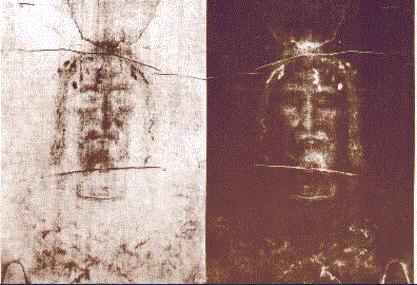
The BBC has a news article (here, written by Bethany Bell) about a burial shroud which was found in a tomb in Jerusalem and dates to the time of Christ. They state that it is the “first time” that such a shroud has been found. The new discovery is naturally compared to the Turin Shroud which many believe was Jesus’ burial cloth.

The recent discovery is different from the Shroud of Turin in that it is a simple two-way weave while the Turin cloth was a complicated weave.

I have no idea whether the Shroud of Turin is genuine or not. I know that there are many who would die for the belief that it is the real thing, showing us what Jesus actually looked like. Meanwhile others claim to have all the evidence that it is a fraud.


The Shroud of Turin

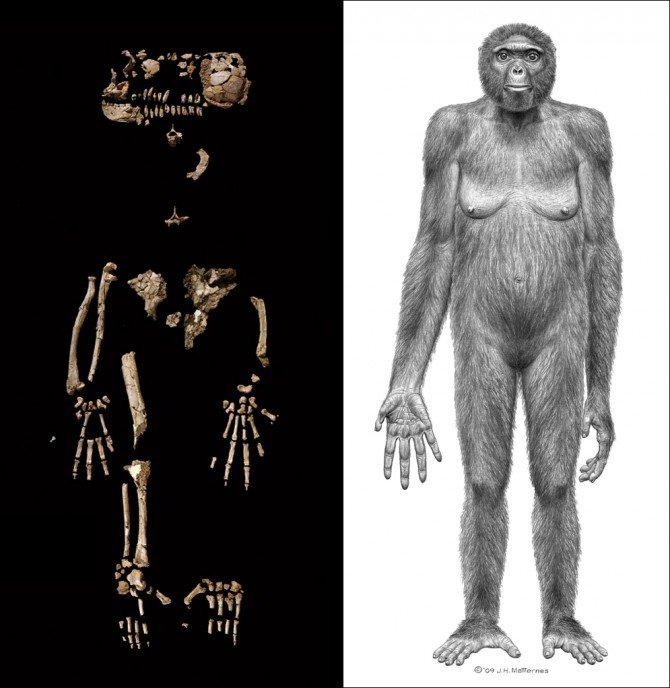
What truly amazes me is the arrogance that demonstrates itself through the researchers when they describe the importance of this find. This really is nothing new. After all, one can find the same type of conclusions drawn from archaeological finds regarding the origin of species. One skull is found, or maybe even just a jawbone and the timeline for a whole species is defined.


Human Evolution: Filling in the Blanks

The conclusions drawn from this discovery seem almost as grand. In the BBC article, Bethany Bell states:

"The researchers believe that the fragments are typical of the burial cloths used at the time of Jesus.

As a result, they conclude that the Turin Shroud did not originate from 1st Century Jerusalem."

This, we are told, is the “first time” pieces of a burial shroud have been found from the time of Jesus. That would make this the only burial shroud ever found from that time (except for maybe the Turin cloth). Yet this one discovery is sufficient evidence for the researchers to conclude that this burial cloth was typical for those used at the time and subsequently to decide that the Turin Shroud was a fake. This strikes me either as incredible arrogance, or great faith! You either know what all the other clothes were like at the time (based on one find?), or you have a firm belief that they were all the same. But are we not told time and again that faith has no place in science?

What is it about science that makes people lose all humility, that makes people believe they have all the answers – to everything? In the modern era many believed that technology would solve all the world’s problems. We would live to a ripe old age, free of war, poverty, famine, and disease. Then the world wars hit Europe and many changed their minds.

But still many scientists believe they can know everything, even if their conclusions are drawn from just one cloth or one bone fragment. I firmly believe in the pursuit of knowledge. But knowledge without humility is arrogance. Few seem to agree with the well known quote, “The more I know, the more I know I don’t know.”

It isn’t only the scientists who virtually worship knowledge and technology. In a recent BBC interview concerning global warming a specialist from India was asked whether we need to be concerned about climate change. He didn’t really think it was a problem as he was convinced that future technology would be able to fix all of today’s mistakes.

Some people choose to look to science for all the answers to life, refusing to acknowledge that faith plays any role in their decisions. Others choose to make God part of their lives, thereby acknowledging that faith plays a role in life.

The BBC report about the burial cloth states another interesting bit of information. The researchers believe the man in the grave had leprosy. That would have made him the earliest proven case of leprosy. They also believe that he was a member of the aristocracy or was a high priest.

Wednesday, December 9, 2009

What to do about bribery?

We are in the process of amalgamating our plots of land into one. The purpose of this exercise is to save some money on government taxes. The process itself should really not take all that long – or so we were told. But so far we’ve been working on it for almost a year! In that time it has also cost us a fair amount of money as each person involved in the process has had to be paid for their services: architects to show the original plot measurements, government offices to confirm that we are indeed a learning institution, amongst other things.

Now we are almost there. Approval has been given and everything is sorted – almost. All we need now is for the Lands Office in Nairobi to change the original title deeds to reflect the fact that the centre lies on just one plot of land.

That is when we received the phone message from the architect who is managing the process for us:


A special request

The text message we received stated:


“I passed at survey of kenya n we need some money for the same.registration amendments verification fees.all amounts 20000.but arrage for 4000o. to help us in quick execution of work. Thankyou.bye.”

The question is, what should we do? If we pay what is asked we won’t have to wait another year to finally get this matter sorted out. Supposedly. But on the other hand, as a Christian organisation, we don’t believe in bribery.

What is to be done? What would you do?

Tuesday, December 8, 2009

Water and Health Issues in Naivasha Town

The lack of a proper water delivery system is a real problem in Naivasha. It’s hard to believe that a town sitting beside a lake would have so many problems with a lack of water. It is even harder to believe when you realise that farmers way up on the mountains around Naivasha used to have enough water. In Eburru, the mountain on the north side of the lake, there are giant water tanks which used to provide the whole community.

Many people in Naivasha town have to rely on the water sellers. The municipality pumps water from their large bore hole each day but the supply is divided between the various parts of town. As a result we get water on Monday and Friday while others get it on other days of the week. When you build your place you are required to put in your own water pipes. The water company then connects your pipe to their main supply line.

Many homes and businesses do not have the luxury of having their own pipes or a water storage cistern. For this reason they rely on the “water boys” for their daily supply. There are a few bore holes scattered about town where people go to buy the water. For those who require more or are able to afford it, they buy a tank load which is brought by a tractor. But most people just buy their water from the donkey drivers.


Water being delivered by donkey

It is not uncommon to see donkeys pulling carts over laden with water barrels, being beaten relentlessly with a whip to encourage them to move faster under their heavy load. Many donkeys often have open wounds and are covered in scars due to the harsh treatment they endure. The RSPCA has an education campaign to encourage better treatment of animals, but that seems to be having little impact.

This week the health minister in town decided that the donkeys were a health threat in the community. He has subsequently banned the transport of water by this means. This has left most with few alternatives. Water delivered by the municipality either does not exist or it is provided too infrequently. Water delivered by tractor is just too expensive. The result has been a water shortage in town. Homes and businesses have subsequently run dry.

How much can people take before they cry “enough”? It is one thing to ban something and force people to use alternatives. But what happens when there are no other alternatives, or when the alternatives are priced beyond the means of the common person? Clean and sufficient water should be a human right. But here in Naivasha, on the shores of a drying lake, that does not seem to be the case.

The word on the street is that the water donkeys have been banned to stop the spread of typhoid. The disease – together with malaria – apparently occurs in epidemic proportions in the community. Whenever someone is ill and goes to the district hospital, nine times out of ten they are told that they have malaria. And if it isn’t malaria you can be sure that it will be typhoid. Sometimes they are told they even have both.


Entrance to the District Hospital

Fever? Must be Malaria. Or maybe Typhoid.

A while back a participant at a conference being run at the centre suddenly started feeling unwell. The local hospital told her that she had typhoid. All our water is boiled and filtered. If she ended up with typhoid then she would have brought it with her. But we thought that her symptoms made the flu a much more likely diagnosis.

Then a second participant started feeling unwell. The local hospital diagnosed him too with typhoid.

When the third participant was told she had typhoid, she refused to accept the diagnosis and did not take the medicine. She struggled through and then went to see her doctor in Nairobi. The diagnosis there? The flu.

We have seen so many people wrongly diagnosed. Either malaria or typhoid, those are the two options. The local health authority even asked us why we were not treating our daughter for malaria when she had a fever. But we refused to go with the consensus.

We know of people who have even died here in Naivasha as a result of being wrongly treated for malaria or typhoid. There was a young girl a while back who was not only wrongly diagnosed but then overdosed on the wrong medication. We had hoped her death would lead to reform. But it was not to be.

Another tragic incident happened last month to one of the employees at the centre. His daughter suddenly became unwell. The local hospital diagnosed his five year old child with malaria. When she didn’t get better he became concerned and discharged her from hospital, took her on a matatu (local taxi) and brought her to a hospital in Nakuru. They found that she didn’t have malaria, but meningitis. Sadly, by that time the damage had been done. Now, though she is alive, she can no longer use her arms and legs properly. She is now disabled due to the wrong diagnosis and treatment being given at the local hospital.

Monday, December 7, 2009

The Naivasha Postal System

In the olden days (talk about dating yourself!) the post was very unreliable. If there was any suggestion that money might be in a letter or something valuable in a parcel, they would just disappear. We estimated that about half of our post never arrived, not because we received so much money in letters, but because people probably thought that we did.

I knew of one young man, in the days before email, who was in a long distance relationship. The two would routinely write their letters in triplicate just so that at least one would get through. They always received at least one of the letters, sometimes two, but rarely all three.

But that was then. Today the postal system has become much more reliable. We don’t often have many parcels disappear, some, but not all that many. More commonly we have received packages or envelopes which have been torn open when someone wanted to see what was inside worth stealing.

Take for example the parcel we just received. When the postal worker ripped it open to look inside he/she found some nicely wrapped presents. There is no way of knowing if any of the contents were stolen, but one of the presents was then torn open.

Usually when this happens today they stick the damaged post into a plastic bag with an apology: sorry, envelop was damaged in transit. This time they just put some tape over the opening to try and hold things together a bit.


Pilfering fingers couldn’t resist
Opened parcel with torn open contents

We sometimes receive an envelope onto which the sender wrote the message “No money enclosed.” I don’t know if that helps, but I’m sure it didn’t help that someone had written on this particular parcel “Your Christmas stockings.” Clearly that was too much temptation for someone.

The problem with this sort of thing is that you just don’t have any recourse. There is nobody worth complaining to who will actually try to do something about it, to stop it happening in future! And that makes these experiences doubly frustrating.